IN Brief:
- An £80m supply contract covers 2,500 tonnes of green hydrogen for major works.
- Hydrogen power units and refuelling logistics are being embedded into site energy planning.
- The project is targeting carbon neutrality in construction, alongside electrification and other low-carbon fuels.
National Highways has signed an £80 million contract with GeoPura to supply green hydrogen for the Lower Thames Crossing, with the fuel intended to displace a significant share of diesel used during the main construction phase. The agreement covers 2,500 tonnes of hydrogen, which National Highways said is enough to replace more than 12 million litres of diesel and save an estimated 30,000 tonnes of CO₂ emissions.
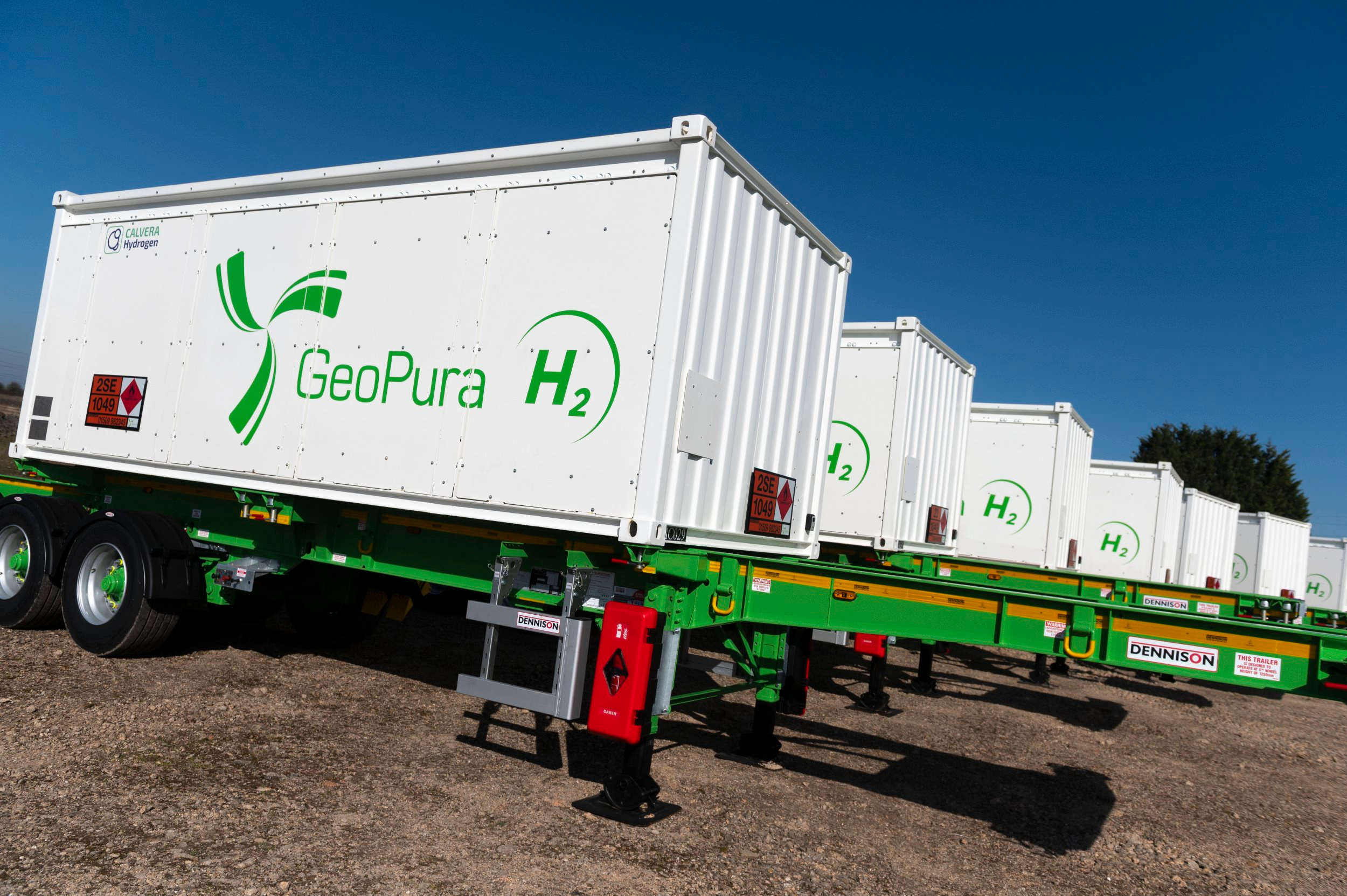
The hydrogen will be delivered as a managed service, including supply, delivery, on-site storage, and distribution to equipment on site. National Highways said the approach is part of the project’s ambition to become the first major British infrastructure scheme to be carbon neutral in construction, while still acknowledging that diesel will remain in use where alternatives are not yet practical.
The Lower Thames Crossing is planned as a new road and tunnel link between Kent and Essex, intended to relieve congestion at the Dartford Crossing and improve connectivity between ports in the south east and freight corridors to the Midlands and the North. The project received planning permission in March 2025, and National Highways has described its funding plan as moving towards a model that enables private sector involvement in construction and long-term operation.
GeoPura’s supply is expected to be sourced from its HyMarnham Power facility in Nottinghamshire, which the company says produces green hydrogen via electrolysis powered by locally sourced renewable electricity. GeoPura said HyMarnham Power is located on the site of a former coal-fired power station and is supported by government Hydrogen Allocation Round 1 (HAR1) funding, positioning it as a domestic supply point for large-volume construction demand.
On-site deployment is already underway in enabling works. National Highways said six hydrogen-powered generators supplied by GeoPura are operating on a worksite in Essex, charging batteries used for electric machinery with zero emissions at point of use. The project has also previously trialled hydrogen plant, with National Highways stating that a British-made JCB hydrogen-fuelled digger was used on survey work in Kent, outside a test environment.
GeoPura framed the contract as a scale marker for hydrogen logistics on construction sites: “We’re extremely proud to be supplying the largest volume of green hydrogen ever contracted for a British construction project,” said Andrew Cunningham, CEO of GeoPura. For National Highways, the announcement is being positioned as a move from pilots to contracted supply, with Matt Palmer, Executive Director for the Lower Thames Crossing, saying: “Today we’ve given the green light to green hydrogen.”
Operationally, the key challenge is less the fuel chemistry than the delivery model — storage, handling, refuelling cadence, and how hydrogen power units integrate with battery-electric plant and temporary site grids. In this case, the supplier is taking responsibility for end-to-end management, which removes some of the complexity from individual contractors, but still requires site teams to plan plant selection, duty cycles, and refuelling interfaces around a new fuel system.
With planning consent in place and early works continuing, the hydrogen contract establishes a fixed supply route for a material portion of construction energy demand. National Highways has linked the agreement to skills and capability-building across its delivery partners and the wider supply chain, as hydrogen-powered equipment and supporting infrastructure become standard items in major project logistics.