IN Brief:
- PAS 2080:2023 is being adopted as a procurement requirement across infrastructure delivery.
- A UK plant hire provider has been certified against whole-life carbon management processes.
- Carbon reporting and reduction measures are being embedded into fleet and service planning.
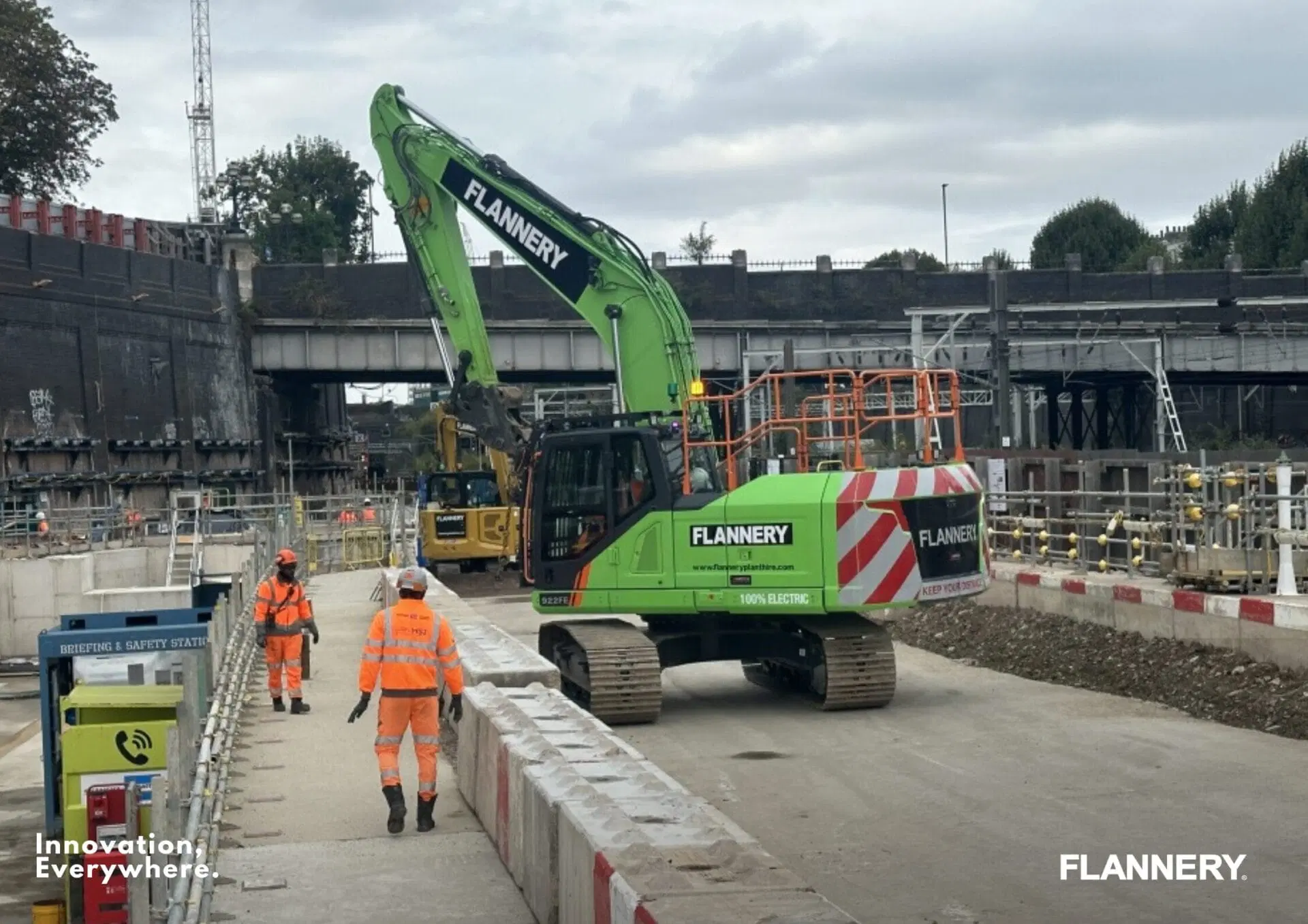
Flannery Plant Hire has achieved PAS 2080:2023 certification, which it says makes it the first operated plant hire company in the UK to be certified to the specification for whole-life carbon management in buildings and infrastructure. The company described the accreditation as formal recognition of its carbon management processes across fleet investment decisions, operational delivery, and long-term planning.
PAS 2080 is a Publicly Available Specification (PAS) developed under the British Standards Institution framework, setting out requirements for managing whole-life carbon across the value chain of built environment delivery. The 2023 revision broadened scope beyond infrastructure to cover buildings and places greater emphasis on integrating carbon into decision-making from the earliest stages, including procurement and design coordination.
For plant and equipment providers, the practical application sits in how machines are selected, fuelled, dispatched, and monitored across projects — and how that data is structured to support whole-life carbon reporting rather than isolated emissions snapshots. Flannery said its approach includes targeted fleet investments, operational efficiencies, and processes embedded across the business to support lower-carbon delivery for customers.
The company has pointed to a mix of measures, including investment in more efficient equipment, alternative fuels, and digital solutions intended to monitor performance and cut unnecessary fuel burn. Those tools are increasingly tied to client reporting requirements, where whole-life carbon calculations expect consistent data at plant level and clear governance for how emissions are quantified, reduced, and evidenced.
Patrick Flannery, Managing Director at Flannery, described the certification as independent verification: “PAS 2080 certification is a major milestone for us.” The company said the accreditation provides clients with assurance that carbon management is being applied as a structured operational system rather than a project-by-project initiative.
Flannery also linked the move to supply chain expectations, noting that some contractors and clients already hold PAS 2080 certification and require aligned standards from partners providing operated plant, logistics, and support services. In practice, that shifts carbon management from a corporate sustainability function into day-to-day delivery, where equipment choice, utilisation rates, and fuel strategy affect measured outcomes.
Looking ahead, Flannery said it will build on the certification by embedding carbon management into decision-making, operational delivery, and long-term investment planning. The direction of travel is towards auditable carbon governance across the whole delivery chain, with plant hire and operated services increasingly assessed on both productivity and carbon performance as part of project compliance and commercial evaluation.