IN Brief:
- Dawsongroup Energy Solutions has taken delivery of a hydrogen-powered JCB generator.
- The G60RS H unit is set to support standby power requirements linked to data-centre demand.
- The move adds to pressure on temporary power suppliers to cut emissions without giving up resilience.
Dawsongroup Energy Solutions has taken delivery of a hydrogen-powered JCB generator, placing one of the first units of its kind into a commercial fleet serving growing standby-power demand.
The generator is set to support a data-centre application and uses JCB’s hydrogen combustion technology rather than a fuel-cell setup. JCB has positioned the G60RS H as a zero-carbon-at-point-of-use alternative that matches diesel-equivalent power and performance, and the new unit joins an established Dawsongroup generator fleet serving a broad mix of temporary and standby power requirements.
That comes at a time when contractors, utilities, and critical-infrastructure operators are under pressure to reduce site emissions without taking on unacceptable operational risk. Temporary power has become a more strategic package on live projects, particularly where grid access, resilience, programme certainty, and noise constraints all sit in the same conversation.
Temporary power is changing shape
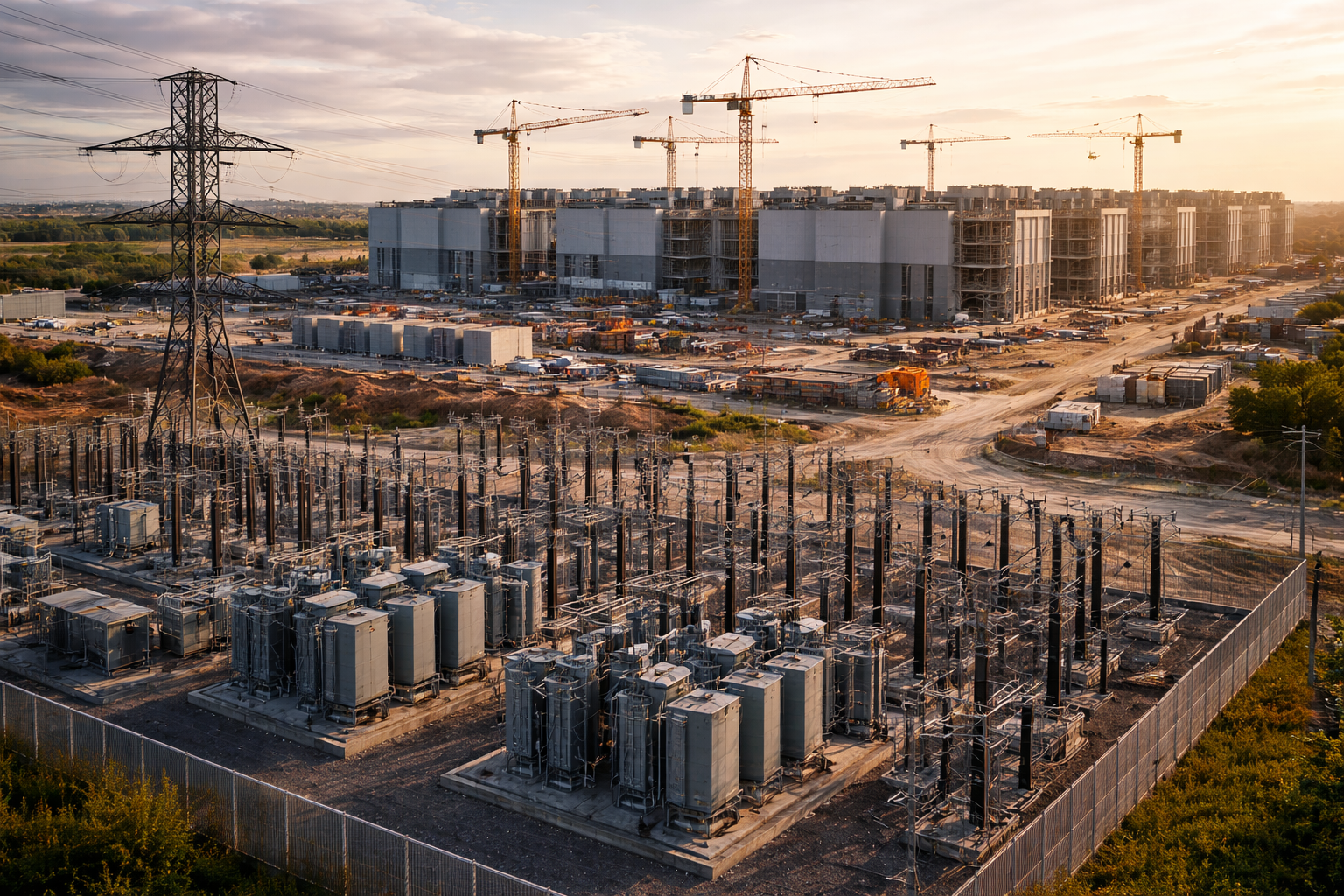
Data-centre construction and grid-constrained development are pushing power planning further up the delivery chain. Standby generation is no longer confined to emergency cover at project completion; it is increasingly tied to commissioning, resilience testing, peak management, and short-term bridging where permanent connections lag behind programme.
What rental fleets are being asked to provide
That shift is widening the market for lower-emission alternatives, especially where clients want a practical route away from straight diesel while keeping familiar service, maintenance, and refuelling disciplines. For plant and equipment suppliers, the challenge is to prove that newer power platforms can survive the same duty cycles, uptime expectations, and deployment windows as the equipment they are meant to replace.