IN Brief:
- Sizewell C has joined the Construction Leadership Council’s Five Client Carbon Commitments, an initiative launched in 2024.
- The commitments cover low-carbon procurement, PAS 2080 carbon management, fossil-fuel phase-out dates, and lower-carbon concrete and steel.
- The project has separately reused more than 15,000 tonnes of Sizewell A concrete as aggregate, illustrating the type of materials decision affected.
Sizewell C has signed the Construction Leadership Council’s Five Client Carbon Commitments, adding a common industry framework to its construction procurement, materials selection, carbon accounting, and plant strategy. The Suffolk nuclear project joins other major infrastructure clients pledged to reduce emissions generated during delivery of their assets, separately from the low-carbon electricity those assets may produce during operation.
The five commitments require clients to procure for low-carbon construction and provide contract incentives; set phase-out dates for fossil fuels; eliminate the most carbon-intensive concrete products; eliminate the most carbon-intensive steel products; and adopt PAS 2080 as a common carbon management standard. Sizewell C confirmed its participation on 4 November. It has not published a new project-wide emissions reduction figure or individual deadlines for each pledge in the accompanying announcement.
Carbon generated during construction arises at several points: cement and steel production, the movement of bulk materials, temporary power supply, plant operation, and the fabrication and installation of permanent components. Those emissions have to be assessed against defined project boundaries and quantities. The emissions avoided by producing electricity at the completed nuclear station are a separate measure, and cannot be used as a substitute for recording the footprint of construction work itself.
PAS 2080 provides a method for managing carbon across infrastructure and the built environment. A consistent approach can help clients, designers, contractors, and suppliers assess alternative materials or construction methods against an agreed baseline. Credible comparisons require clear system boundaries, consistent quantities, and suitable product data; adopting a management standard does not automatically demonstrate that a project’s embodied or operational carbon has fallen.
Changes in procurement are necessary if design options are to affect what a construction team actually buys. The CLC asks clients to establish dates for including lower-carbon criteria and incentives in contract awards, creating a means to evaluate bids beyond initial price alone. The effects will depend on how Sizewell C incorporates those criteria into specifications, supplier selection, and individual contracts. The November announcement does not identify which future packages will carry revised carbon requirements.
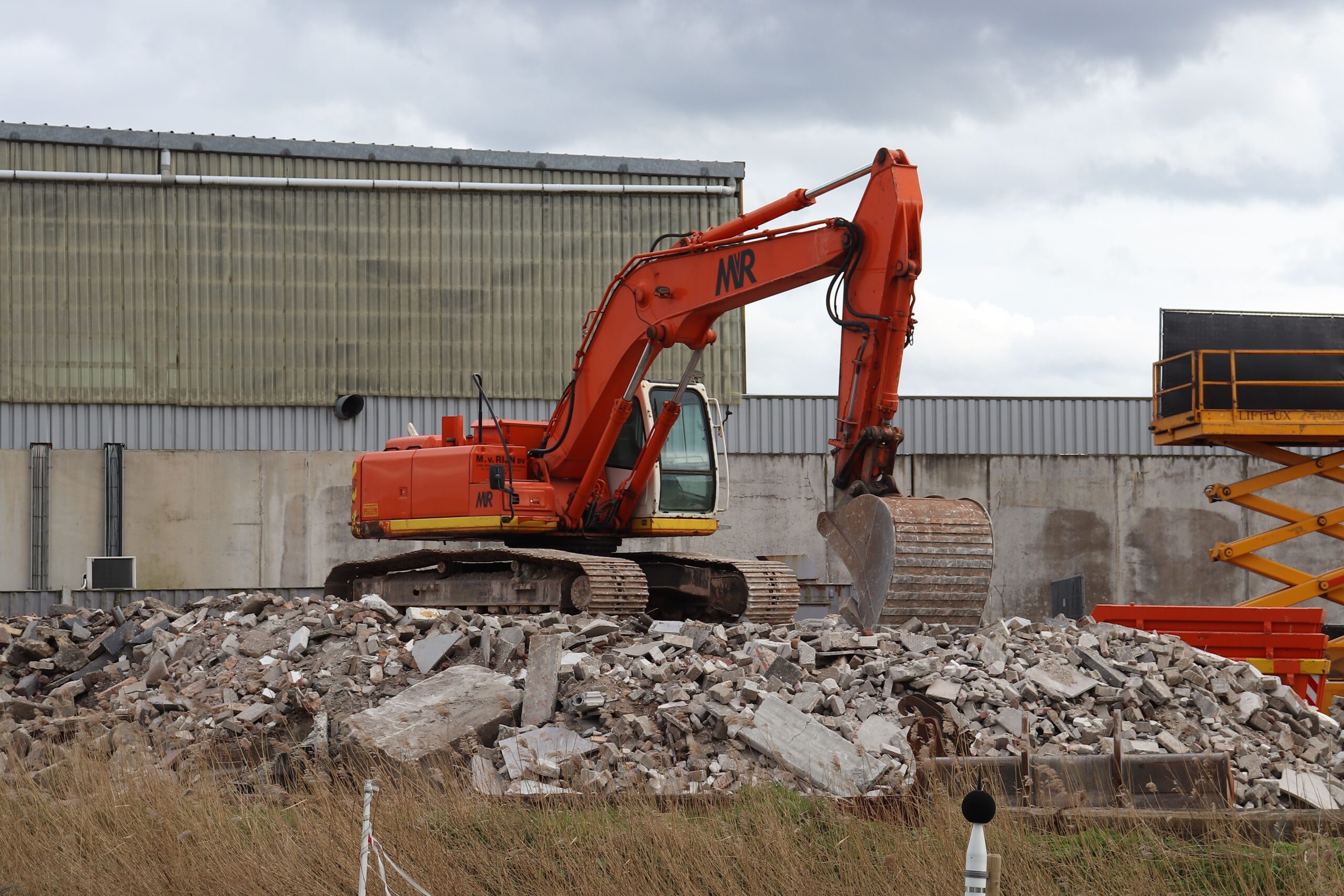
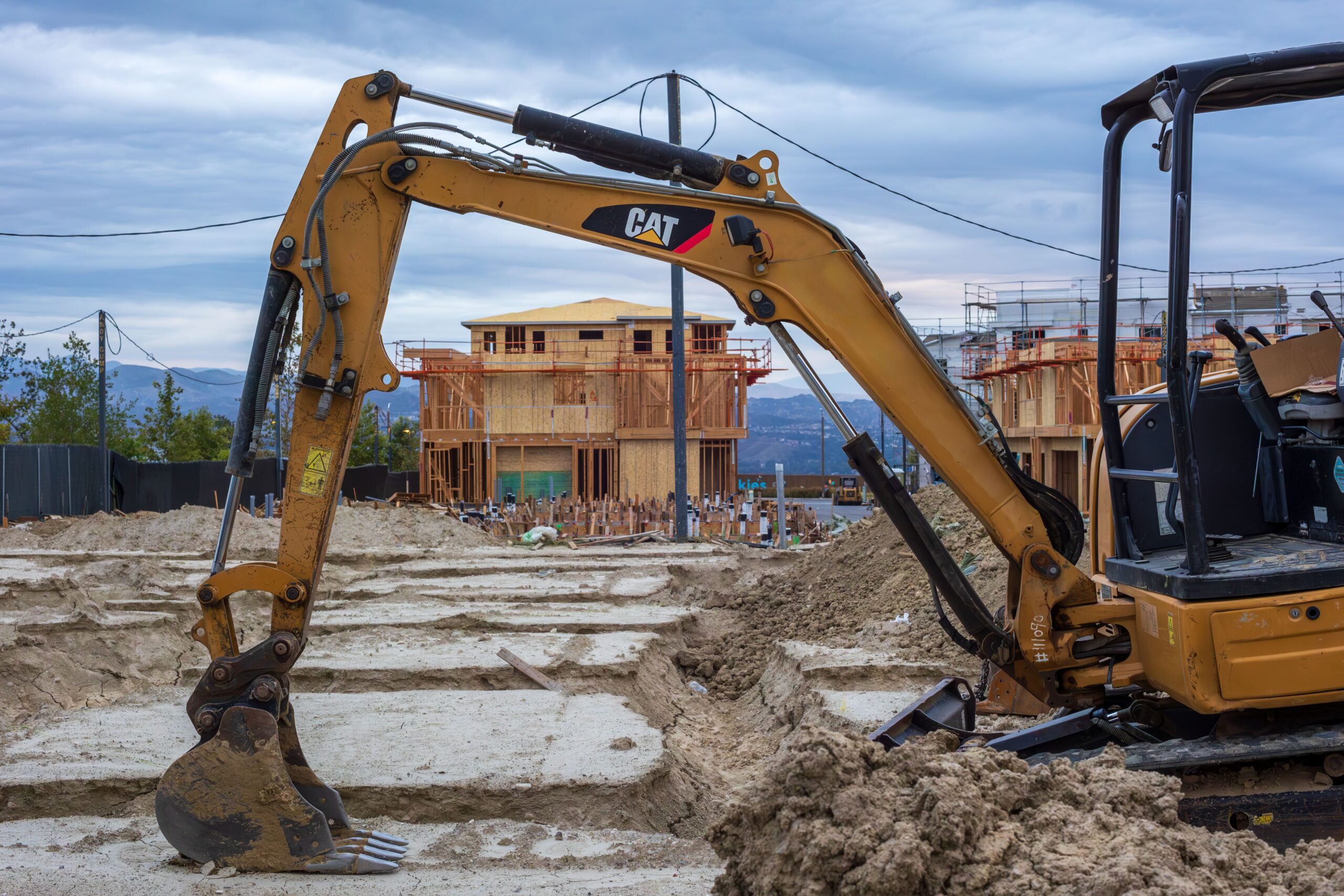
Fossil-fuel phase-out dates present a different site-delivery challenge. Heavy excavators, lifting plant, and mobile generators can work over long duty cycles and require power where temporary electrical infrastructure is limited. Replacing diesel equipment involves checking equipment capability, charging or refuelling arrangements, power distribution, and the sequence of site operations. Sizewell C’s commitment sets the direction, but the project has not specified the dates on which particular plant types will be phased out.
The concrete pledge targets products with higher embodied emissions, while retaining the engineering performance required of each structure. Concrete mixes differ in binder composition, aggregate supply, curing behaviour, and specified strength and durability. Choices for a nuclear construction project also depend on inspection, traceability, and quality assurance arrangements. Any substitution must satisfy the approved technical specification; a lower reported carbon intensity does not remove those design constraints.
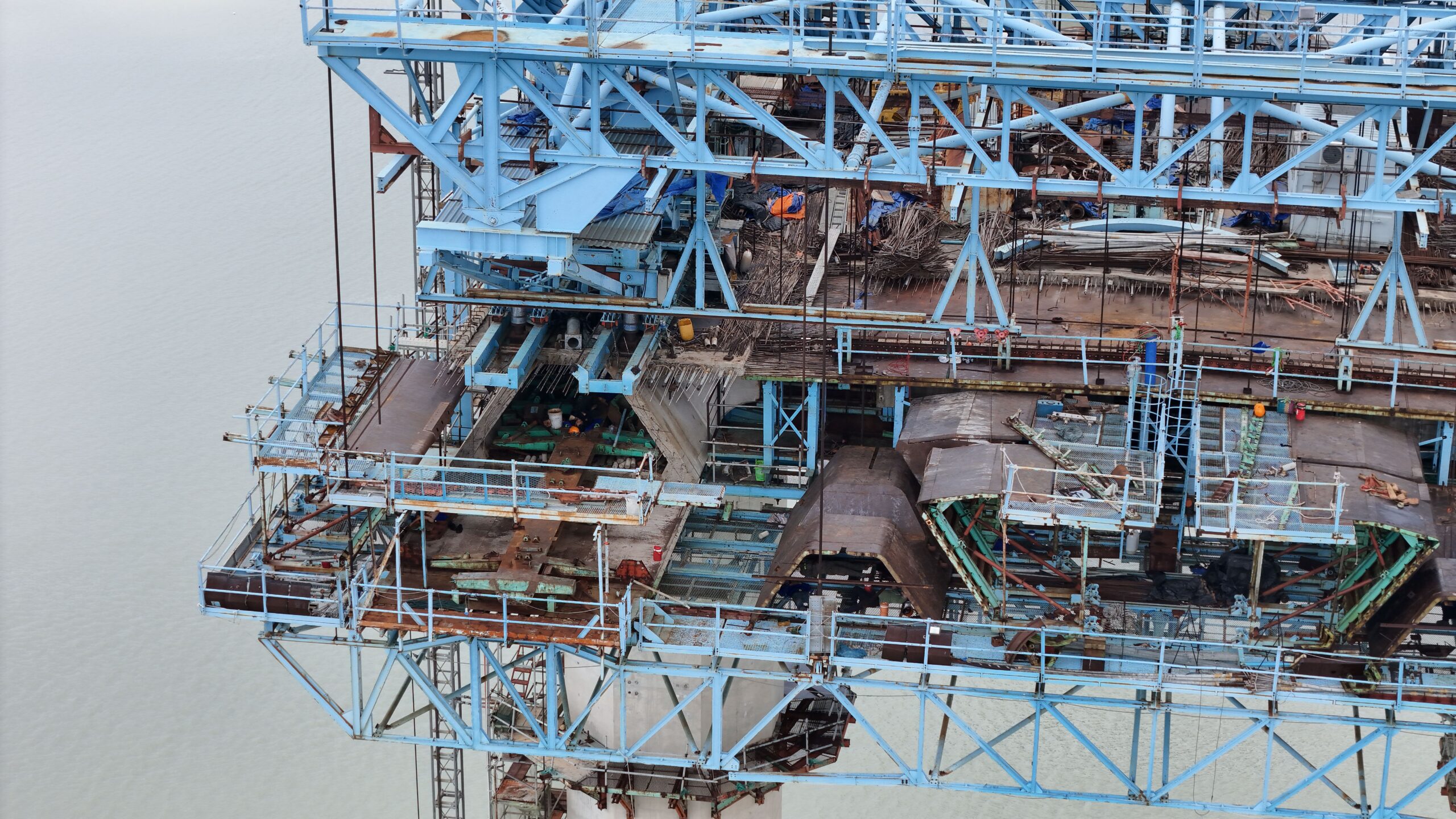
Steel selection similarly depends on the manufacturing route, energy source, recycled content, product grade, and verified emissions data. Reducing unnecessary tonnage through design coordination and limiting fabrication waste can complement lower-carbon purchasing, but these choices must preserve structural performance and regulatory requirements. The commitment calls for avoiding the most carbon-intensive products, not for eliminating steel from structures that require it.
A separate material reuse project shows one measure already undertaken at the Sizewell site. Nuclear Restoration Services processed and tested more than 15,000 tonnes of crushed concrete from decommissioning at neighbouring Sizewell A for use as sub-base aggregate at Sizewell C. The organisations reported an estimated 28 tonnes of carbon dioxide emissions avoided by reusing the material. That estimate belongs to the earlier reuse project, rather than to any verified saving from signing the five new commitments.
Sizewell C has also begun batching concrete on site, creating a source of specialist mixes close to the major excavation works. Local production can change vehicle movements and logistics, but the footprint of a concrete batch still depends on the origin and quantities of its constituents, production energy, and transport. The project’s existing batching and reuse activities provide material decisions that can be evaluated under the carbon management approach without establishing a particular future reduction.
Bertrand Michoud, chief operating officer of Sizewell C, said: “Through the Five Client Carbon Commitments, Sizewell C is committing to practical actions that will reduce emissions across our project and supply chain, from low-carbon procurement and materials to a future without diesel-powered construction activities.” The statement sets the intended direction, while the project has yet to publish the contract-level dates, site-fuel timetable, or measurable reductions that would demonstrate progress across all five areas.
The CLC programme began in 2024 and includes infrastructure clients such as National Highways, the Environment Agency, Lower Thames Crossing, and Transport for London. The next evidence of progress at Sizewell C will come from contract requirements, declared phase-out dates, product data, and subsequent carbon reporting. None of those implementation details should be inferred from the act of signing the commitments alone.