IN Brief:
- Seasonally adjusted brick deliveries fell 15.4% in September compared with the same month of 2025, while block deliveries rose 0.5%.
- The all-work construction materials price index rose 7.2% year on year and 0.6% compared with August.
- Structural steel, rigid pipes, and reinforcing bar prices rose faster than the aggregate index, while ready-mixed concrete and imported sawn wood fell.
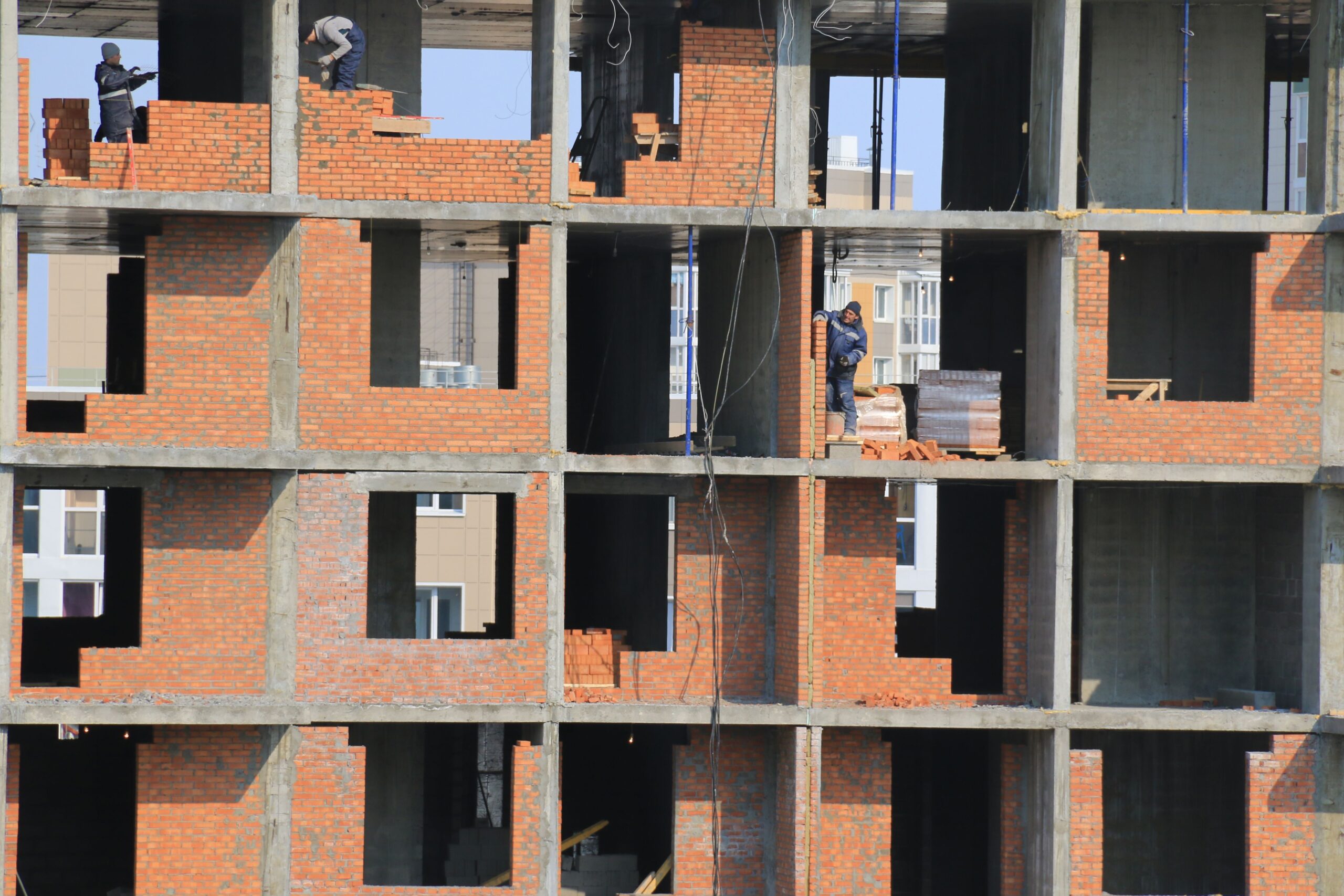
The Department for Business, Innovation, Science and Trade has recorded a 15.4% annual fall in seasonally adjusted brick deliveries across Great Britain in September 2026, alongside a 7.2% rise in the UK construction materials price index for all work. The figures, published on 4 November, put weakening demand for bricks alongside higher average input costs, although the measures cover different parts of the construction market.
Concrete block deliveries moved in the opposite direction, increasing 0.5% year on year in September. The brick and block figures measure physical deliveries of different products, while the price index tracks changes in the cost of materials purchased for construction. Neither series directly measures housing starts, and the divergence does not establish that contractors are switching from bricks to blocks.
The newly published series also revises the comparison for August: brick deliveries were 10.0% lower than a year earlier and concrete block deliveries were down 6.1%, rather than the slightly different figures in the preceding release. On a month-to-month basis, seasonally adjusted brick deliveries fell 4.0% from August to September, while blocks increased 2.9%. Monthly delivery changes can reflect stock movements and the scheduling of orders as well as construction activity on site.
The all-work materials price index increased 0.6% between August and September, following a 0.4% rise in August. Annual growth accelerated from 6.4% in August to 7.2% in September, but the September figure varied substantially by type of construction: materials for new housing were up 5.4% over the year, compared with 8.5% for other new work and 6.2% for repair and maintenance. These are material price movements, excluding the effects of labour, plant, financing, and contractors’ margins on overall project costs.
Price pressure was particularly pronounced in selected metal products. Fabricated structural steel was 19.9% more expensive than a year earlier, rigid pipes and fittings rose 16.9%, and steel reinforcing bars increased 16.1%. These are separate product categories within the official data, and their movements should not be interpreted as identical increases in the total cost of a steel frame, pipework package, or reinforced concrete structure. Each finished package contains other materials, fabrication, labour, transport, and installation costs.
Some products became cheaper despite the increase in the overall index. Ready-mixed concrete fell 0.5% year on year, while imported sawn or planed wood declined 1.9%. A project’s exposure to inflation therefore depends partly on the quantities and types of materials specified: the cost pattern for a steel-intensive structure can differ sharply from that for a project purchasing mainly concrete or timber. Tendered package prices also include fabrication, transport, and installation costs not captured in the individual product indices.
Brick delivery statistics record products moving from manufacturers to customers, not the number laid in walls during the reporting period. Stocks held by merchants and contractors, the phasing of housing schemes, and the timing of orders can all separate production and delivery from installation. The series provides a regular indicator of demand for one important building product, but it cannot isolate the reasons for the September decline without evidence from other activity measures.
The September release also keeps the distinction between national coverage areas important. Brick and concrete block delivery figures relate to Great Britain, while the construction material price indices cover the United Kingdom. Directly combining the two into a single numerical measure of UK construction output would overlook both that geographical difference and the distinction between physical quantities and price movements.
The increase in block deliveries offers a limited counterpoint to the sharper fall in bricks. Even with the latest monthly improvement, the two products are not interchangeable across every building design: structural layout, thermal performance, specification, and the sequencing of masonry work affect how each is used. The data also show that price pressure is concentrated in certain products rather than uniformly distributed across the materials used on construction sites.
Procurement terms determine how much of the movement reaches individual construction contracts. A contractor holding a fixed price while still buying steelwork or pipework may absorb costs that were not present when the tender was calculated. Fluctuation provisions and index-linked agreements can allocate some of that risk differently, but a broad all-work index should not be substituted for the actual material mix in a bill of quantities.
The statistical release also includes longer-period series on cement, aggregates, concrete, and construction-product trade, whose reporting frequencies differ from the monthly brick and block data. September’s confirmed picture is a reduction in brick deliveries despite a small increase in block deliveries, against higher annual prices for the overall materials basket and especially steep increases for selected steel products. Subsequent monthly observations will establish whether those contrasting movements persist.