IN Brief:
- Transpennine Route Upgrade teams installed a replacement Common Lane bridge during the 24 October–1 November railway closure.
- Engineers also fitted overhead power infrastructure, bringing the Church Fenton section closer to electrified operation.
- Rail services resumed on time, while further utility relocation precedes the road’s planned reopening in June 2027.
Network Rail has completed installation of the replacement Common Lane road bridge over the railway at Church Fenton in North Yorkshire following a nine-day closure of the Leeds–York route. The works formed part of the Transpennine Route Upgrade and were carried out between 24 October and 1 November 2026. Engineers also installed overhead power infrastructure, allowing the line to reopen to rail traffic on schedule after the blockade.
The previous bridge dated from 1901 and was nearing the end of its service life. Network Rail had expected to replace it around 2027, but brought the work forward to coincide with preparation for railway electrification. Its restricted clearance would have prevented the future overhead line equipment from fitting beneath the road crossing, so the replacement provided an opportunity to address the structural and electrical requirements in one railway closure.
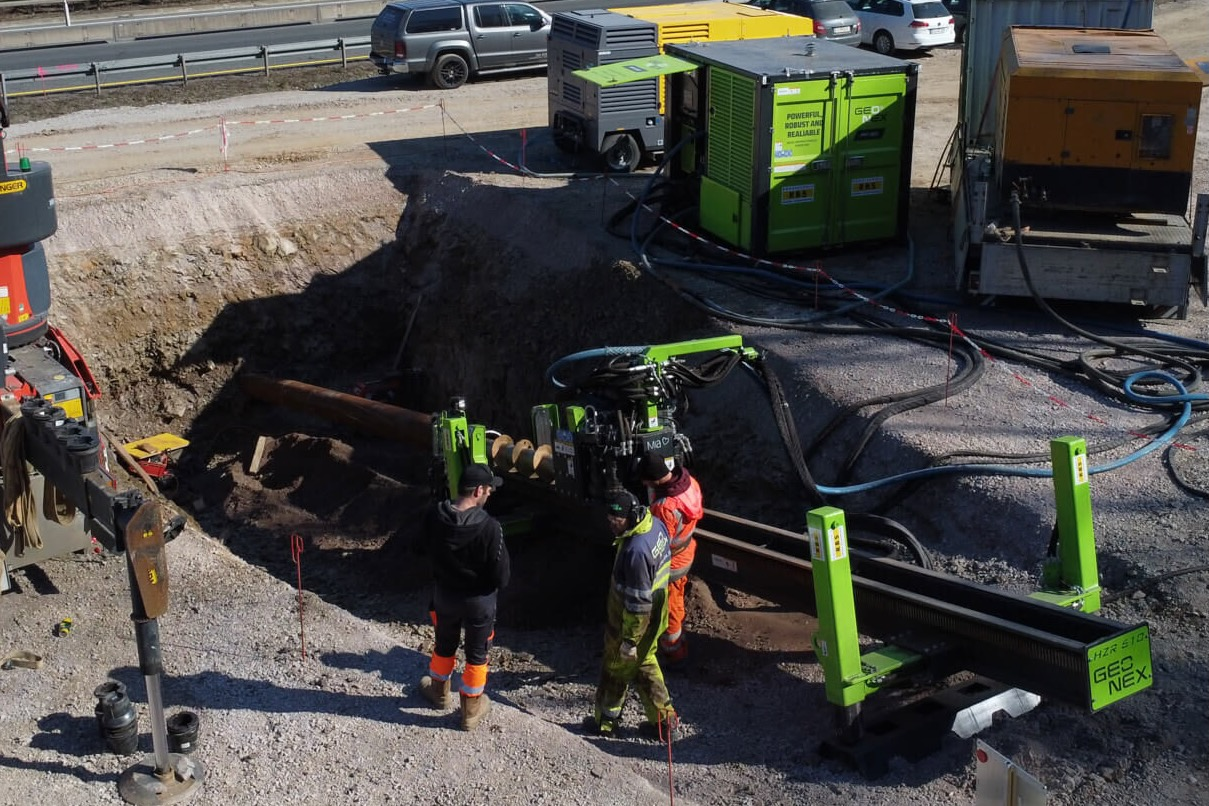
During the possession, engineers installed the new Common Lane structure and fitted overhead power equipment on the railway. The operations had to be sequenced around lifting, access, safe track working, and the return of train services at the end of the closure. Network Rail’s completion report confirms those activities without publishing detailed information about foundations, crane selection, or the individual installation methods.
The nine-day closure followed preparatory weekends in October, including the removal of the old bridge. Replacement buses operated between Leeds and York and served intermediate communities while the route was unavailable to trains. The return to rail operation on 2 November concluded that planned possession, although the road crossing above the tracks remains closed for further work.
Storm Boelo interrupted the programme when high winds and poor weather required activities to be paused. Network Rail said its teams rescheduled tasks ahead of the storm and still completed within the nine-day railway blockade. Weather restrictions affect lifting and exposed work at height in particular, making the agreed possession window an important constraint on the construction sequence.
The new road bridge provides the vertical space required for future electrification equipment below. Overhead line systems must fit within the railway corridor while maintaining the specified clearances to the structure, so bridge geometry is an integral part of electrical infrastructure design. The Common Lane installation removes a local obstruction to that work as the wider route is upgraded in stages.
The bridge replacement forms part of the Transpennine Route Upgrade between York, Leeds, Huddersfield, and Manchester. Civil engineering work is being coordinated with track improvements, power infrastructure, signalling, and station upgrades across the programme. At Church Fenton, bringing forward the road bridge renewal helped align a local structural intervention with the route’s wider electrification requirements.
Adam Sellers, senior sponsor for the Transpennine Route Upgrade, said the completed works brought the programme closer to its objectives for faster, more frequent, and lower-emission rail services. The installation has delivered a new crossing and further overhead power infrastructure, while train frequency and journey-time improvements depend on additional works elsewhere on the route.
Utility relocation is now taking place through the replacement bridge before the road can be reinstated. Network Rail has set June 2027 as the planned reopening date for Common Lane, extending the highway works several months beyond the resumed rail service. The bridge can therefore be in place and supporting the railway upgrade while connections and finishing works remain outstanding at road level.
Moving utility services through the structure requires the relevant operators and civil works teams to coordinate routes, access, protection, and the final road build-up. The timing of those activities influences when the road surface and connections can be completed. Network Rail’s published schedule identifies June 2027 for reopening but does not provide separate completion dates for every service diversion.
The October preparatory weekends and nine-day blockade concentrated the main railway-facing construction into a single sequence. The remaining utility and road works are proceeding with trains operating beneath the new bridge. This separation of rail and highway milestones allows the railway programme to advance while reinstatement at Common Lane continues.
With the bridge installed and overhead line works completed, the next local delivery milestone is the reopening of Common Lane in June 2027. Further track, electrification, and civil engineering works remain across the Transpennine programme before its intended operating improvements are fully realised. Network Rail’s latest update leaves utility diversions and road reinstatement as the outstanding elements at this crossing.