IN Brief:
- Transport for London has appointed WSP to develop the proposed 18.5km West London Orbital scheme.
- Costain and Fereday Pollard will support constructability, station design, forecasting, and programme planning.
- The current public consultation closes on 18 November 2026; route decisions and funding remain outstanding.
WSP has been appointed by Transport for London to provide technical and programme support for the proposed West London Orbital railway, working with Costain and architectural practice Fereday Pollard. The 18.5-kilometre scheme would connect Hounslow and Hendon through west and north-west London, using existing rail infrastructure and introducing new passenger connections. The appointment covers the next phase of design development and business-case preparation ahead of future decisions on a preferred option and funding.
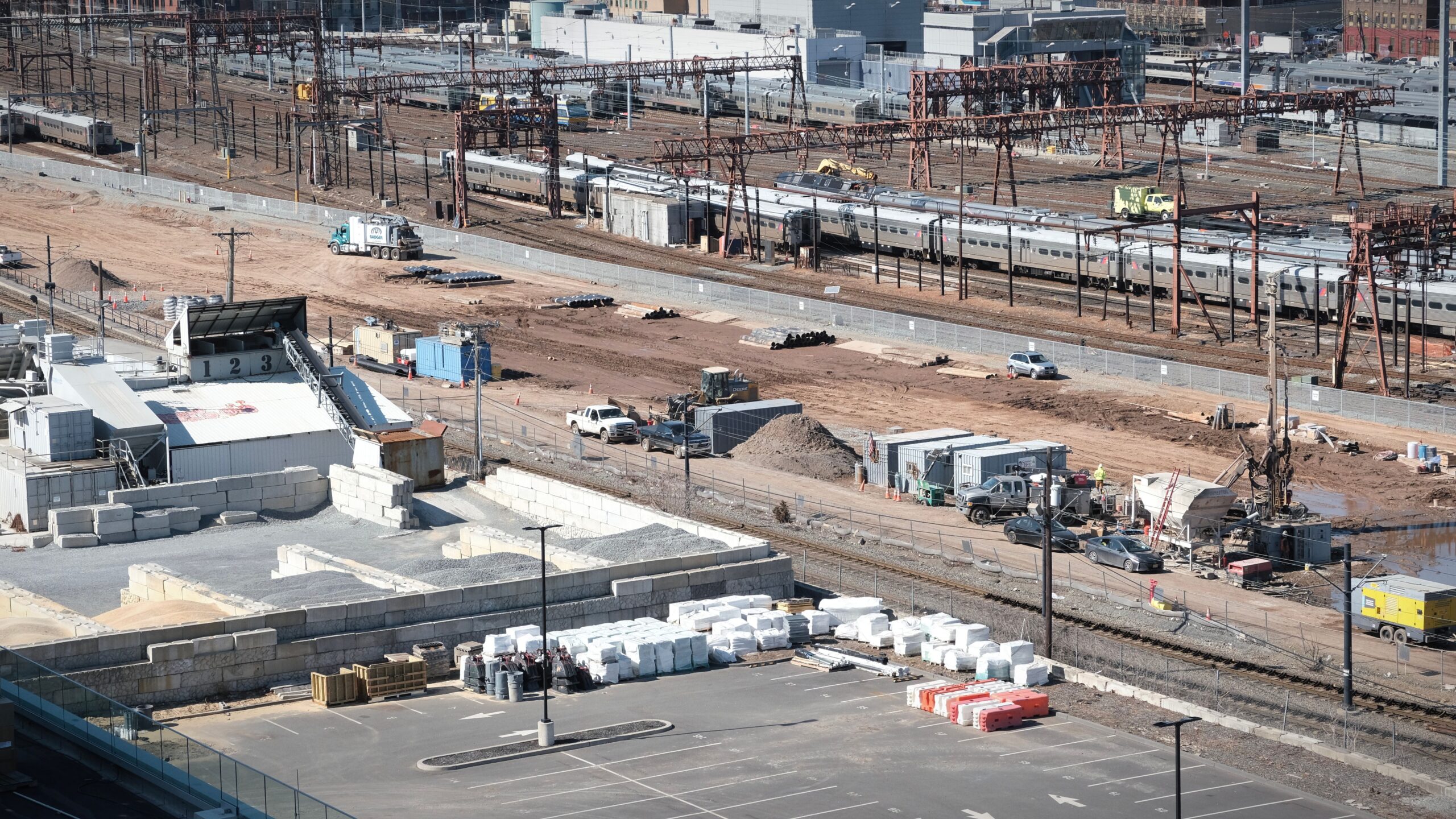
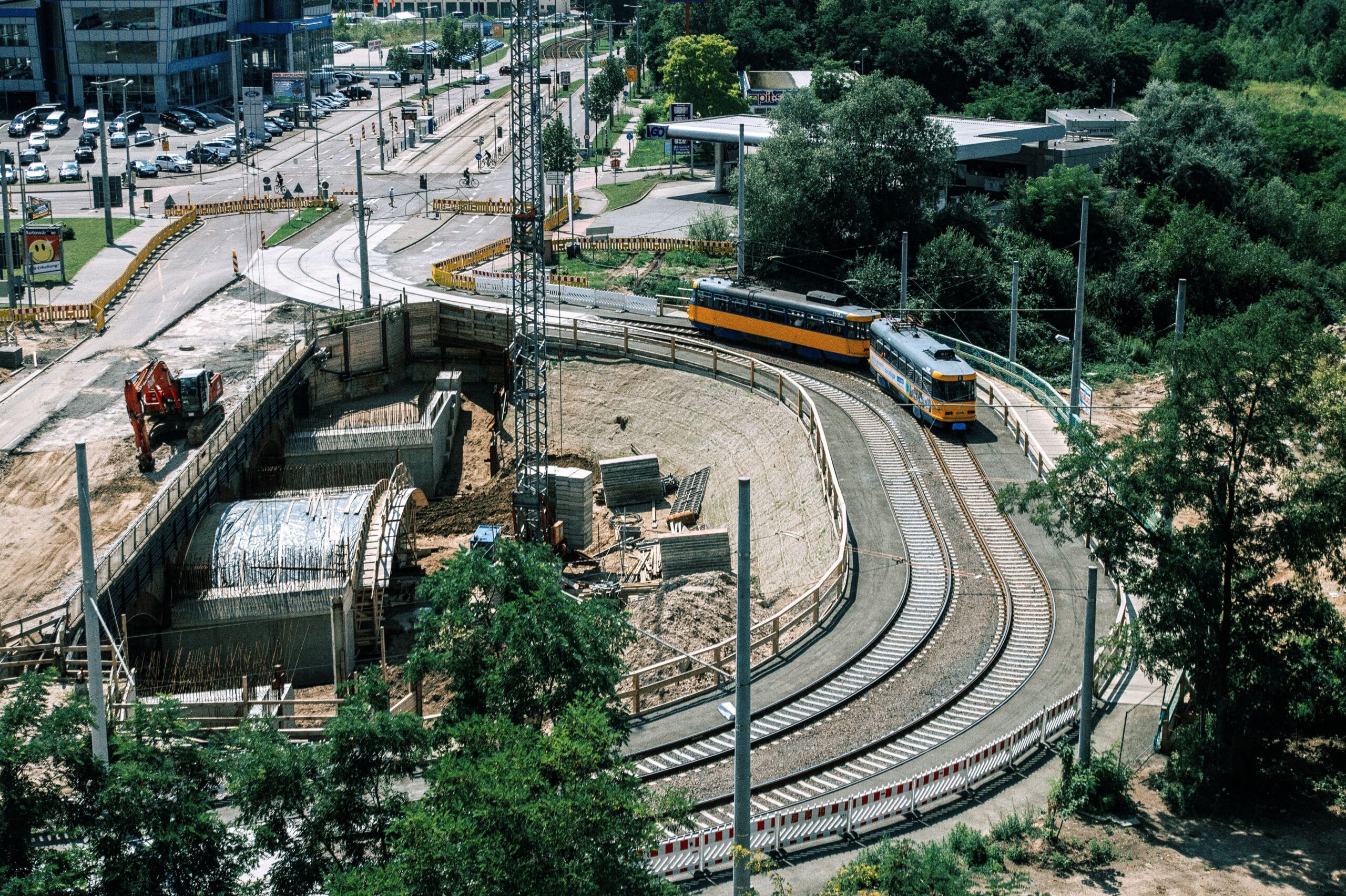
The proposed service would join the London Overground network and improve journeys between locations including Brent Cross, Brentford, Acton and Old Oak Common. Much of the alignment is based on rail infrastructure that already exists, particularly the Dudding Hill line, which currently carries freight rather than scheduled passenger services. Reusing an existing railway corridor can reduce the need to establish an entirely new route, but passenger operation still requires careful assessment of stations, connections, capacity and interfaces with other rail services.
WSP will coordinate engineering and programme development while TfL assesses options for the West London Orbital. Costain will provide constructability and consultancy expertise; Fereday Pollard is contributing architectural work, particularly around station environments. The team will also undertake stakeholder engagement, timetable and demand forecasting, business-case preparation and funding strategy development. The prospective service pattern influences station layouts and network capacity, which in turn affect the infrastructure and construction scope that must be costed.
The Dudding Hill freight corridor creates opportunities to reuse railway infrastructure, but platforms, access routes and interchange arrangements must be assessed against continuing rail operations and existing land constraints. Engineering options will need to accommodate safe construction access, train movements and potential service frequencies. Costain’s early constructability role allows those constraints to be tested alongside designs, before TfL settles on a preferred scheme and seeks the funding needed to deliver it.
TfL says the proposed route could connect with ten existing or planned rail and transport services, including Tube, National Rail, London Overground, the Elizabeth line and future HS2 connections. Interchange arrangements will depend on the stations selected and the timetable that can operate on the corridor. The potential network connections are part of the scheme’s developing business case, with route selection and capital funding still to be determined.
TfL is consulting on four proposed new stations at Neasden, Harlesden, Old Oak Common Lane and Lionel Road, alongside changes at existing stations. Brent Cross West was designed with provision for a potential orbital service. The precise layouts, access arrangements and interchange routes remain to be developed and assessed, including the practical interfaces with local streets and the operating railway. Engineering feasibility will help determine which elements of the proposed stations and connections can be delivered.
Demand modelling will help TfL examine service frequency, interchange use and the station capacity associated with the proposed line. Forecasts must account for expected growth around employment centres, housing developments and existing transport links across west London. Those passenger estimates feed into operating and maintenance costs as well as the appraisal of new construction. They will be tested alongside the practicality of putting passenger services onto an existing freight route.
WSP has worked on west London orbital connectivity with the West London Alliance, BusinessLDN and Capital West London since 2019, establishing a background of route and development studies. Its new TfL appointment brings that work into a defined programme covering technical options, service planning and the investment case. Costain joins the team with experience of rail and road infrastructure projects for TfL, including earlier work on Piccadilly line upgrades and the A40 Westway.
Transport for London’s first public consultation on the West London Orbital opened on 23 September and is due to close on 18 November 2026. The authority is seeking responses on the proposed route, stations and the transport outcomes that local communities would want from the service. A consultation event is scheduled at Brent Cross West station on 3 November, with further engagement before the closing date. The feedback is intended to inform the next stage of development and future decisions.
Capital funding, a preferred option and the necessary consents will determine any eventual construction programme. Earlier planning material has considered opening dates in the 2030s, but TfL has made no commitment to a start or completion date in the current appointment. The engineering and forecasting work will be used to establish a deliverable option before later investment decisions.
The current development phase will therefore test whether the proposed 18.5km route can deliver useful passenger connections through a corridor now used principally for freight. WSP, Costain and Fereday Pollard will translate consultation responses and infrastructure constraints into technical options, programme assumptions and an investment case. TfL’s public consultation runs until 18 November, after which the proposals can be refined for the next decision stage.