IN Brief:
- Sarva Foam is considering a Scottish manufacturing facility with an initial planned investment of approximately £6m.
- The proposed operation would process discarded polyurethane foam into carpet underlay and other flooring products.
- Investment could reach £12m over three years and support up to 100 jobs if the first phase and funding arrangements proceed successfully.
Sarva Foam is considering a new manufacturing operation in Scotland to convert discarded polyurethane foam into carpet underlay and flooring products, with an initial planned investment of approximately £6 million.
The Indian manufacturer is discussing the proposal with Scottish Enterprise following a meeting between its representatives and First Minister John Swinney in Mumbai. The investment could increase to £12 million over three years if the initial phase is delivered successfully and wider commercial and funding arrangements are confirmed.
The longer-term proposal could support up to 100 jobs in Scotland, including skilled manufacturing positions. Those figures are conditional projections rather than employment commitments attached to an operating factory, and the company has not announced a final site, construction programme or production capacity.
Sarva Foam manufactures rebonded polyurethane foam products used in mattresses, carpet underlays and other flooring applications. Its business model involves recovering discarded foam and processing it into new materials rather than relying entirely on newly produced polyurethane.
Polyurethane foam is widely used where resilient cushioning, compression behaviour and flexibility are required. Offcuts and discarded material from manufacturing can provide a potential source of feedstock, provided the foam is suitable for the intended recycling process.
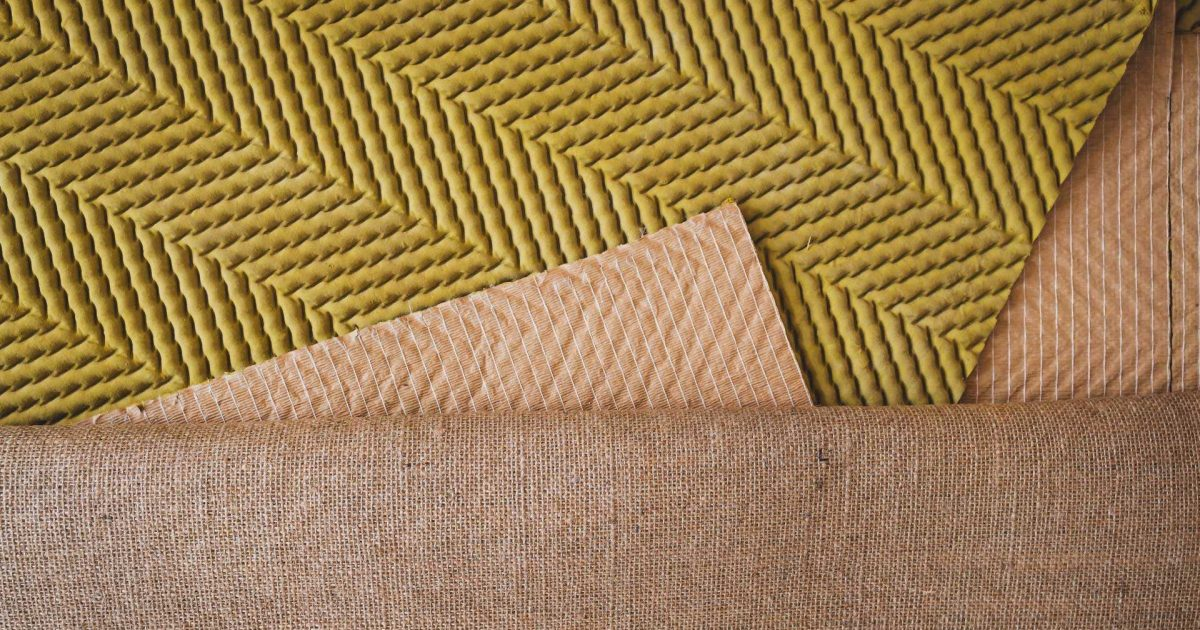
Rebonded polyurethane foam is produced from smaller pieces of recovered material. Foam fragments are prepared, combined with a suitable binding system and consolidated into a material that can subsequently be formed or cut into products with the required dimensions and properties.
The process allows relatively small pieces of foam to be incorporated into larger products. Their suitability depends on the composition, density and condition of the recovered material, as well as the manufacturing conditions used during bonding and consolidation.
Sorting and preparation are therefore important parts of the operation. Contamination or variation in feedstock can affect how the fragments bond and the consistency of the finished material, making control of incoming material important for repeatable manufacturing.
The proposed Scottish factory would supply products for flooring applications. Carpet underlay is installed beneath a floor covering to provide a resilient supporting layer, affecting comfort, compression behaviour and the way loads are distributed through the floor assembly.
Underlay specifications depend on the environment in which the flooring will be used. Domestic installations, commercial buildings and areas exposed to repeated heavy foot traffic can place different demands on the density, durability and compression characteristics of the selected material.
Manufacturers may supply products with different thicknesses and physical properties to match these applications. A foam underlay suitable for one flooring installation cannot automatically be assumed to meet the requirements of another without checking compatibility and performance.
Rebonded polyurethane materials are also used in sports and acoustic flooring applications, where resilience and the transfer of impact energy can influence the performance of the assembled floor. The applicable testing and specification requirements vary according to the intended system.
Sarva Foam already operates manufacturing capacity in India and supplies products to domestic and international customers. Its established business provides experience of collecting polyurethane foam offcuts and producing rebonded materials, although the company has not disclosed the equipment configuration proposed for Scotland.
The proposed UK operation would require suitable premises, processing machinery, storage facilities and arrangements for receiving and dispatching materials. The scale of these requirements will depend on the feedstock selected, the production process and the volume of finished products the company intends to manufacture.
Feedstock arrangements will also influence the operation’s commercial viability. Recovered foam must be available in suitable quantities and quality, with transport and handling systems capable of supplying the manufacturing process consistently.
Finished flooring products will require their own distribution arrangements. Manufacturing location, customer demand and the handling characteristics of the products will affect the transport and storage systems needed to serve the intended markets.
These arrangements remain to be developed for the proposed Scottish facility. Sarva Foam has not identified where its discarded foam would be sourced, how much material would be processed annually or which customers would purchase the finished output.
The company’s existing operations demonstrate its experience in rebonded foam, but those volumes cannot be used as a production forecast for Scotland. The proposed factory will require its own investment and capacity decisions before an annual throughput figure can be established.
Construction of the manufacturing premises will depend on the site eventually selected. A new factory would require appropriate planning and environmental assessments, while adaptation of an existing industrial building could involve a different combination of refurbishment, plant installation and building services works.
Production equipment may create specific requirements for electrical supply, ventilation, handling systems and industrial safety arrangements. The design of the premises must reflect the processes and materials used, although detailed equipment and building specifications have not been published.
Sarva Foam intends to use the investment to support a circular production model, directing suitable recovered foam towards new products instead of disposal. The environmental performance of the operation will depend on the materials processed, energy consumption, transport requirements and the useful life of the finished products.
The planned factory has not yet generated a quantified amount of waste diversion or emissions reduction in Scotland. Those outcomes can be assessed only once the operation’s feedstock, processing arrangements and output have been established.
Kunal Giani, chairman and managing director of Sarva Foam, said: “We are planning to establish a foam-recycling manufacturing operation in Scotland, with an initial investment of approximately £6 million.” He linked the proposal to the production of carpet underlay and flooring materials from discarded foam.
Deloitte is advising Sarva Foam and its promoters on growth initiatives and the development of the potential investment. Scottish Enterprise is continuing discussions with the company as it considers Scotland as the location for its new operation.
The first phase would establish the proposed manufacturing capacity if the investment proceeds. Any increase from £6 million to the potential £12 million total remains dependent on the success of that phase and agreement of the wider commercial and funding package.