IN Brief:
- Transpennine Route Upgrade has purchased 26 biodiversity units from Leeds City Council for two woodland sites.
- The agreement covers 8.32 hectares at Barnbow Woods and Barnbow Hall Woods, supported by a 30-year habitat management programme.
- Woodland enhancement began in May 2025 and is expected to continue until at least 2055; the programme-wide 10% biodiversity net gain target has not yet been achieved.
Transpennine Route Upgrade (TRU) has completed the purchase of 26 biodiversity units from Leeds City Council, funding long-term improvements at Barnbow Woods and Barnbow Hall Woods in east Leeds. The agreement supports the enhancement of 8.32 hectares of woodland through a 30-year habitat management programme, contributing towards TRU’s target of achieving 10% biodiversity net gain. Physical woodland work began in May 2025 and is expected to continue until at least 2055, making the completed purchase a new funding and delivery milestone within an existing project.
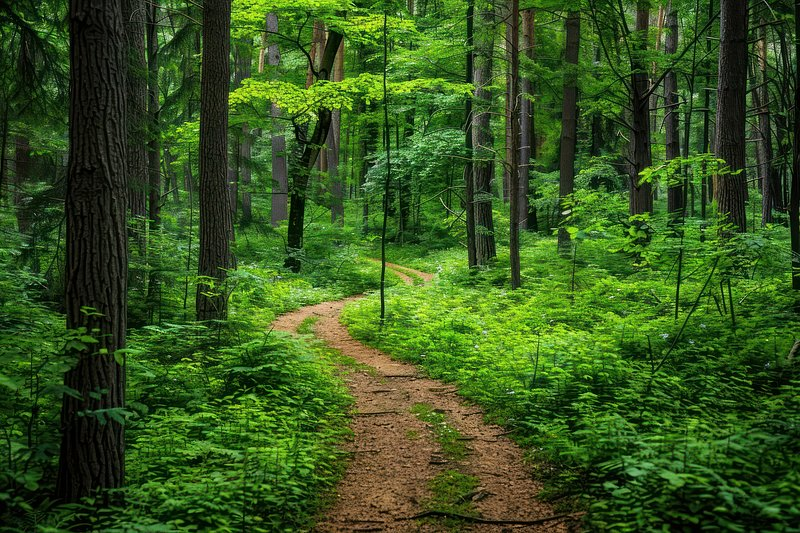
The woodland sites are approximately 500 metres from the Transpennine railway corridor and three kilometres east of Cross Gates station. Their proximity to the railway provides a local opportunity for habitat enhancement associated with the wider construction programme. The two sites cover an area that TRU describes as equivalent to approximately 11 football pitches.
The purchase concerns biodiversity units rather than ownership of the woodland. Biodiversity units are a measure used to account for the value of habitats and changes to their condition, taking account of factors such as habitat type, area and ecological characteristics. The 26 units do not represent 26 individual woodland plots, a fixed number of trees or 26 hectares of land.
TRU has not disclosed the price of the transaction or an individual value for each unit. The confirmed financial commitment is that the railway programme will fund the long-term habitat creation and management activities associated with the agreement. The 8.32-hectare area and 26-unit quantity describe different aspects of the project and should not be treated as interchangeable measurements.
The work is intended to improve species richness, diversity and abundance across Barnbow Woods and Barnbow Hall Woods. TRU has identified enrichment planting and tree veteranisation among the planned management activities. These approaches aim to improve the ecological characteristics of existing woodland, rather than clear the site and establish an entirely new plantation.
Enrichment planting involves introducing selected vegetation into an established habitat to increase diversity or address deficiencies in its existing composition. The appropriate species and planting locations depend on the condition and management objectives of the woodland. TRU has not disclosed the proposed species mix, planting quantities or detailed programme for individual areas of the two sites.
Tree veteranisation involves interventions intended to develop or support features associated with older trees, which can provide habitat for insects, fungi and other organisms. Such work requires an understanding of tree condition and the surrounding habitat, with management decisions taken over an extended period. The announcement identifies veteranisation as part of the project but does not specify the techniques to be used at individual trees.
Both activities sit within a longer-term approach to woodland management. Habitat condition can change gradually as trees establish, vegetation develops and management practices influence the woodland environment. The intended improvement therefore depends on continued intervention and assessment rather than the completion of a single planting exercise.
TRU says its funding will support management over 30 years. Work began in May 2025 and is expected to continue until at least 2055, extending beyond the immediate railway construction activities. The October 2026 unit purchase does not mean that the full management period has already been delivered or that the intended ecological improvement has been measured.
The agreement supports TRU’s commitment to biodiversity net gain through its sustainability strategy, Our Guiding Compass. The programme has adopted a target of 10% biodiversity net gain, which requires improvement to be assessed against the relevant habitat baseline. The Barnbow purchase contributes to that objective, but it does not by itself establish that the overall railway programme has achieved the target.
The distinction between a transaction and an ecological outcome is important when evaluating biodiversity investment. Purchasing units secures a defined commitment associated with habitat management, while the physical benefits depend on the work being delivered and the resulting habitat condition. A recorded purchase cannot be treated as evidence that all intended biodiversity units have already produced their full ecological value.
TRU has identified the Barnbow transaction as its first delivery of biodiversity units within the wider programme. Simon Hughes, TRU East Environment and Sustainability Lead, described it as a milestone towards the route’s biodiversity objectives and said it could support subsequent agreements. The organisation also described the purchase as the tenth largest recorded in England at the time, although that ranking is a claim by TRU rather than a figure independently recalculated for this article.
Leeds City Council has arrangements for making biodiversity net gain units available from land within its ownership and management. Such agreements allow organisations undertaking development to support habitat improvements at other locations where the relevant requirements can be met. The ecological obligations associated with these arrangements are distinct from the construction contracts governing the development that generates the biodiversity demand.
For TRU, the environmental commitment sits alongside a substantial programme of railway construction across northern England. The upgrade includes electrification, track improvements, station works and associated civil engineering activity. Construction of that scale can affect habitats and land along the corridor, requiring ecological effects to be considered through the design and delivery process.
Supporting woodland improvements close to the route allows the programme to fund management activity within the geographical area affected by the railway investment. The Barnbow sites are existing woodland with public footpaths, providing local access to green space. TRU expects the works to support wildlife and offer opportunities for people to experience the woodland, but has not announced a separate contract to construct new visitor facilities or footpaths.
The programme also identifies potential environmental benefits associated with healthy woodland, including carbon storage, water management and the natural filtration of pollutants. These functions depend on factors such as vegetation, soil conditions, local hydrology and long-term management. TRU has not published measured carbon savings, flood risk reductions or air quality improvements attributable to the Barnbow project.
Councillor Katie Dye, chair of Leeds City Council’s Climate Emergency Advisory Committee, welcomed the agreement and its intended contribution to maintaining the woodlands over several decades. Representatives of the council and TRU have visited the sites to review work already underway and discuss planned activities. Those visits confirm the programme’s ongoing status rather than the completion of its long-term habitat targets.
Habitat monitoring will be important as the management period progresses. Ecological outcomes depend on the condition of the existing woodland, the success of planting and conservation interventions, and changing environmental pressures. The announcement does not establish annual monitoring results or a verified timetable for achieving specific habitat condition scores.
The purchase of 26 units provides TRU with a defined environmental commitment associated with 8.32 hectares of woodland, while the existing management work will continue until at least 2055. Further biodiversity agreements may follow, but none is confirmed by this transaction. The current achievement is completion of the unit purchase; the programme-wide 10% biodiversity net gain target and the intended long-term woodland improvements remain objectives to be demonstrated through continued delivery and assessment.