IN Brief:
- The Seaham Garden Village mine-water heat network has completed commissioning and entered full operation.
- Heat exchangers and heat pumps recover geothermal energy from water already pumped through the Dawdon mine-water treatment scheme.
- Around 750 homes are expected to connect, with annual carbon savings estimated at 2,600 tonnes of CO2.
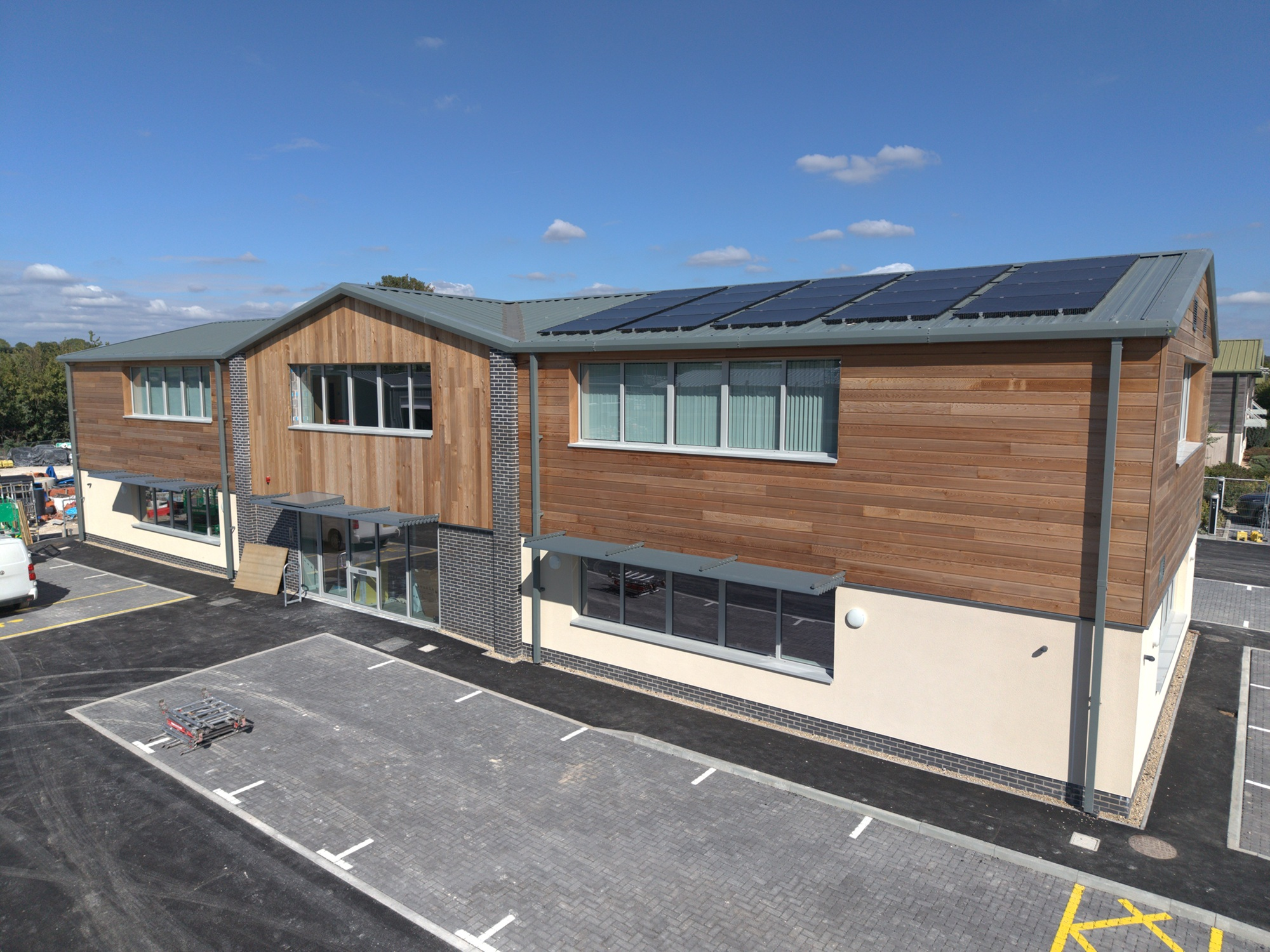
Mining Remediation Authority has completed commissioning of the mine-water heat network at Seaham Garden Village, bringing the energy centre into full operation and beginning low-carbon heat supply to new homes in County Durham.
The system is designed to supply around 750 properties within the wider 1,500-home development, using geothermal energy contained in mine water already being pumped to the surface through the authority’s Dawdon treatment scheme. The project combines an existing water-management asset with new heat-transfer, heat-pump and district-network infrastructure rather than drilling a separate geothermal borehole solely for heating.
Mine water at depth absorbs heat from the surrounding geology and remains at a relatively stable temperature through the year. At Dawdon, that water is already pumped and treated as part of the authority’s work to protect groundwater and drinking-water resources. The heating system adds a second use to the flow by transferring thermal energy from the mine water through heat exchangers before heat pumps raise it to a temperature suitable for the housing network.
The mine-water circuit and the housing network remain separate. Heat exchangers transfer thermal energy between the two systems without circulating untreated mine water through homes. Electrically driven heat pumps then increase the temperature before the recovered energy is distributed through the district network for space heating and hot water.
The completed project has been delivered through a partnership involving the Mining Remediation Authority, Karbon Homes, Esh Group, Vital Energi and Durham County Council, with support from the government’s Heat Networks Investment Project. Construction of the energy centre began beside the Dawdon treatment site in March 2025 before the system progressed through installation, network connection and commissioning.
The project team estimates that mine-water heat will avoid around 2,600 tonnes of carbon dioxide each year, equivalent to almost 65,000 tonnes over 25 years if that performance is maintained. The saving reflects displacement of conventional heating rather than an assumption that the network operates without external energy input, because the heat pumps still require electricity to raise the recovered heat to the required delivery temperature.
Project performance therefore depends on more than the presence of abandoned mine workings. Mine-water temperature, available flow, heat-pump efficiency, network losses and the distance between the heat source and buildings all affect how much useful heat can be delivered and at what cost.
Seaham benefits from an operating treatment scheme beside a large new housing development. The water-management infrastructure already brings mine water to the surface, while the concentration of new homes creates a defined heat demand that can be served through a common pipe network.
That combination is less straightforward at sites where suitable mine water is distant from potential customers or where heat demand is dispersed. Building a district network requires buried distribution pipework, connection equipment and long-term operation and maintenance, so the thermal resource must be matched with a sufficiently concentrated demand profile.
The authority estimates that around a quarter of homes and businesses in Great Britain are located above former coal mines and operates more than 80 mine-water treatment schemes. Those figures indicate a sizeable theoretical resource, although the suitability of each treatment site for heat recovery depends on local engineering and commercial conditions.
Existing projects in Gateshead and Wales have demonstrated other applications of mine-water energy, while Seaham adds a large residential example based on an existing treatment asset. The garden village also differs from individual heat-pump installations because the central energy centre and distribution pipework form shared infrastructure serving multiple properties.
Shared heat infrastructure changes where equipment is concentrated. Larger heat pumps and controls can be installed at the energy centre, while homes connect to the distribution system rather than each requiring an independent mine-water source. The network then has to maintain thermal and hydraulic performance across the development as additional homes are connected.
The Dawdon treatment scheme retains its original environmental function throughout. Mine-water management is required to prevent contaminated water reaching aquifers and surface environments, so heat extraction has been added without removing the treatment process that justified the pumping infrastructure in the first place.
Commissioning moves the project from construction into long-term operation, where measured heat output, electricity consumption, network performance and maintenance requirements will determine how closely the scheme matches its design assumptions. Those operating results will also provide evidence for other former mining areas considering whether existing treatment infrastructure can support district heating.