IN Brief:
- Devonshire Homes Limited has entered administration, putting 77 jobs at risk.
- The company has linked losses to a partly built bespoke timber-frame development and higher completion costs.
- The case reflects continuing financial pressure across regional housebuilding and specialist residential delivery.
Devonshire Homes Limited has entered administration, placing 77 jobs at risk and adding another regional housebuilder to the sector’s growing list of financial failures.
The south-west housebuilder has appointed administrators from Alvarez & Marsal Europe LLP. The administration affects Devonshire Homes Limited, while associated developments and connected companies are understood not to be included in the process.
The collapse follows pressure from a partly built development of architect-designed timber-frame homes, where the cost of completing the scheme was significantly higher than expected. The company’s accounts pointed to an in-year loss on that development and a larger forecast total loss, while a change in accounting policy also reduced reported profit.
Devonshire Homes had delivered more than 2,000 homes since 2008 and had reported turnover of around £52m. Its failure shows how quickly regional housebuilders can move from active pipeline to distress when difficult projects, cost inflation, and weaker market conditions converge.
Regional housing delivery has become more commercially exposed over the past three years. Higher finance costs have reduced buyer affordability and development viability, while build costs remain elevated against pre-pandemic norms. Planning delays, infrastructure contributions, energy standards, labour availability, and compliance obligations add further pressure to schemes that may already have slim margins.
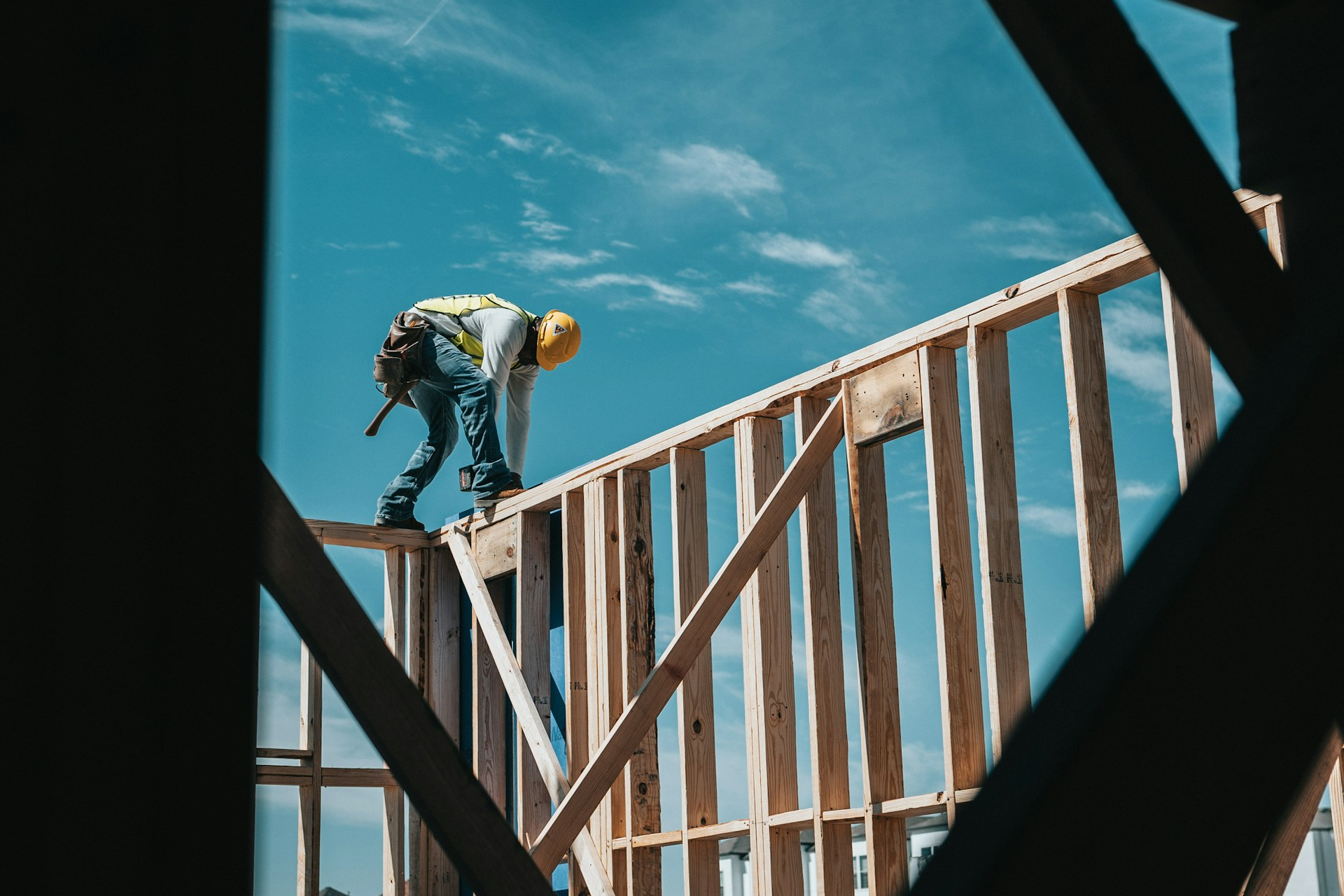
The timber-frame element should be read carefully. Timber-frame delivery can support faster enclosure, better fabric performance, and more predictable off-site production when design, procurement, sequencing, and installation are properly controlled. The risks rise when schemes are bespoke, partly built, or inherited with limited visibility over design decisions, site conditions, quality records, and completion liabilities.
Recent housing activity has shown how timber-based delivery can work in more controlled conditions. Esh Construction’s Sunderland affordable homes scheme is using timber frames within a planned housing association programme, while West Fraser and Kirkwood have deepened an offsite supply partnership around panelised housing production. Standardisation, repeatability, and early coordination remain central to making those systems commercially robust.
Devonshire Homes appears to have faced a different problem: a partly complete bespoke development where cost-to-complete assumptions moved beyond expectation. Such projects can be hard to recover because design choices, procurement commitments, quality obligations, buyer expectations, and subcontractor interfaces are already embedded in the site before the final delivery strategy is fixed.
The administration also lands in a construction market still dealing with insolvency pressure. Although monthly failure data has fluctuated, the collapse of Jerram Falkus, which left more than £8m of supplier debt, showed how the effects of contractor failure move quickly through subcontractors, consultants, merchants, and local businesses.
For regional housebuilders, the main pressure points are practical and immediate. Land acquired at the wrong price, planning obligations that shift after appraisal, slow sales, mortgage-market weakness, abnormal ground conditions, or specialist build systems requiring tighter coordination can all erode margin. Where cash reserves are limited, one underperforming project can destabilise the wider business.
Partly complete developments require especially sharp due diligence. Cost-to-complete assessments, warranty status, moisture risk, product certification, subcontractor liabilities, design coordination, and buyer commitments all need to be tested before value assumptions are accepted. A site that appears to offer a shorter route to completion can carry embedded risks that only become visible once control has changed hands.
The immediate consequences will fall on employees, creditors, and those connected to live developments. Across the wider market, the collapse reinforces the fragility of regional housing delivery at a point when demand for homes remains high but construction costs, finance, and project risk continue to test balance sheets.