IN Brief:
- Nearly 2,000 construction workers at Sellafield are set to strike for a week from 15 June.
- The dispute centres on a site-specific nuclear allowance for trades working in specialist conditions.
- The action affects workers involved in major projects and hazard reduction programmes at the Cumbrian complex.
Sellafield is facing further industrial action after talks over a nuclear site allowance failed to resolve a dispute involving nearly 2,000 construction workers.
The latest strike is due to run from 15 to 21 June. Workers planning to take action include electricians, joiners, pipe-fitters, riggers, welders, and groundworkers employed by six subcontractors at the Cumbrian nuclear complex.
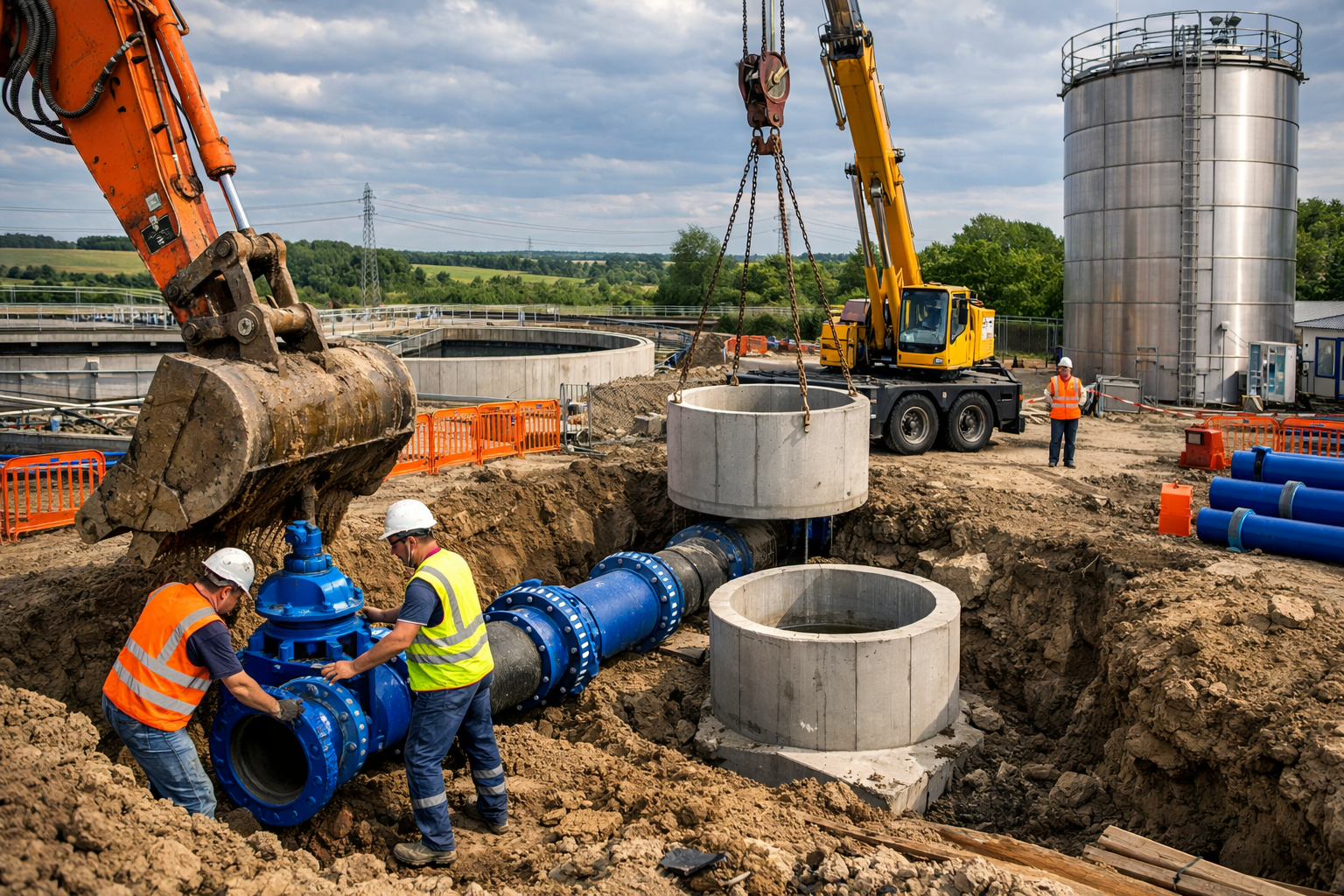
The dispute centres on a site-specific allowance intended to recognise the specialist skills and conditions associated with construction work at the UK’s largest nuclear site. The workers affected are engaged on major projects and hazard reduction programmes across one of Europe’s most complex regulated industrial estates.
Sellafield is a highly controlled construction environment. Projects take place within a live nuclear site, with strict safety, security, access, contamination control, and governance requirements. Productivity, supervision, and programme sequencing are all shaped by conditions that go far beyond those found on standard commercial or civil engineering projects.
That site context sits at the centre of the dispute. Specialist construction workers on nuclear programmes are operating inside tightly regulated environments while supporting long-term work that is critical to decommissioning, waste management, and national energy infrastructure policy. Pay and allowances are therefore bound up with the broader value placed on scarce technical skills in high-risk settings.
The dispute also exposes a pressure already building across major infrastructure delivery. Nuclear, energy, defence, water, transport, and regulated industrial programmes all draw from overlapping pools of specialist trades. Welders, pipe-fitters, electrical workers, riggers, and groundworkers with the right site clearances and experience cannot be replaced quickly without affecting productivity and supervision.
Industrial relations disputes on complex sites can quickly affect programme certainty. Even where individual packages remain physically separate, major programmes depend on sequencing, access, commissioning, and interface management. Delays in one area can affect others, particularly where works are linked to safety systems, decommissioning milestones, or long-term asset management commitments.
The wider construction labour market is already dealing with skills shortages, wage pressure, and competition from adjacent sectors. Nuclear work adds further constraints because workers need onboarding, training, security checks, and specialist safety preparation before they can operate effectively. Retention and stable site agreements are therefore central to delivery, not peripheral workforce issues.
The dispute shows how infrastructure delivery depends on more than capital approval and procurement strategy. Labour agreements, site allowances, welfare arrangements, shift patterns, and recognition of specialist conditions can all affect whether a programme remains on track.
Sellafield’s work will remain central to the UK’s nuclear decommissioning landscape for decades. A one-week strike may be limited in duration, but the underlying workforce question will persist across regulated infrastructure: highly controlled sites require highly skilled workers, and those workers are operating in a market where their experience is becoming more contested.