IN Brief:
- Epiroc will adapt its LinkOA autonomous haulage system for Heidelberg Materials’ quarry operations.
- The project will apply driverless haul truck technology to quarry environments rather than large-scale mining alone.
- The move signals growing automation pressure across aggregates, materials production, and heavy construction supply chains.
Epiroc is extending its LinkOA autonomous haulage system into the aggregates sector through work with Heidelberg Materials, adapting driverless truck technology for quarry operations.
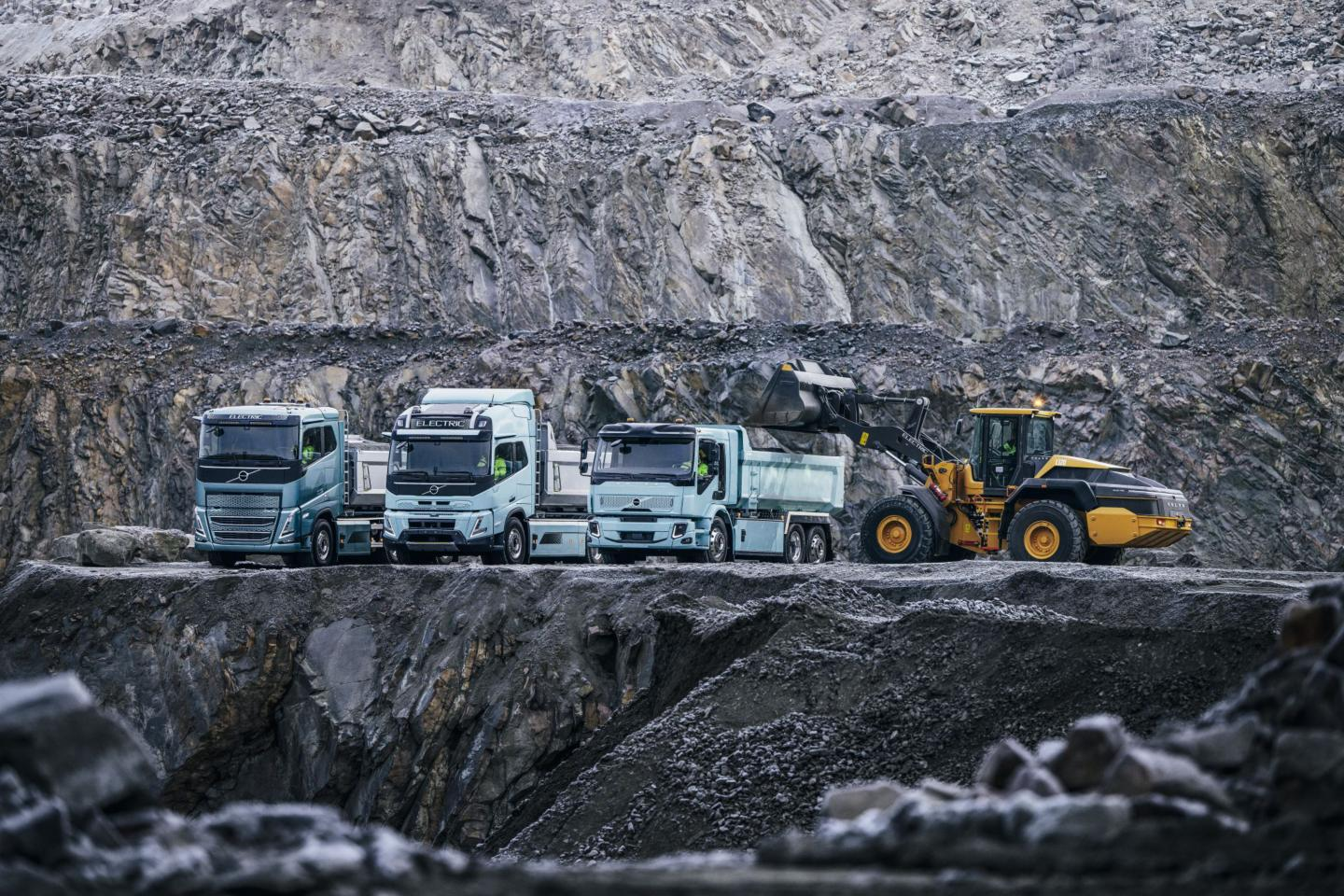
The project will apply LinkOA to haul trucks in quarry conditions, where operating patterns differ from the large open-pit mines that have traditionally led autonomous haulage adoption. The system is designed to coordinate autonomous haul cycles, integrate with loaders and auxiliary vehicles, and support mixed fleet operation in active production environments.
Heidelberg Materials is planning a wider deployment of autonomous vehicle technology across multiple sites and vehicle types, including trials in Europe, North America, and Australia. The aggregates application is notable because quarries often have more variable layouts, shorter haul distances, tighter operating areas, and more interaction between mobile equipment than many mine sites.
Autonomous haulage has been established in mining for years, but quarry adoption has been slower. The economics are different, and the operating environment can be less predictable. Quarries may change faces more frequently, work around tighter boundaries, handle mixed traffic, and operate with fewer dedicated machines than large mining fleets.
Those conditions make system flexibility central to deployment. LinkOA is positioned as an open autonomy platform rather than a single-brand machine solution, allowing it to be adapted across different equipment makes and models. Mixed fleet compatibility could be important for aggregates producers, where capital replacement cycles are longer than technology development cycles.
Materials producers are under pressure to improve safety, productivity, and labour resilience. Quarry operations are exposed to skills shortages, rising operating costs, and the need to reduce incidents involving heavy mobile equipment. Autonomous haulage can remove operators from some higher-risk working areas, improve repeatability, and help maintain output when labour availability is constrained.
Quarry automation also connects directly to construction material supply. Aggregates underpin concrete, asphalt, rail ballast, drainage, infrastructure, and building works. Improvements in quarry efficiency can affect cost, availability, and reliability further down the supply chain, particularly in markets where planning restrictions and transport distances already limit supply flexibility.
Digital control is likely to become more closely tied to decarbonisation. Autonomous systems can support more consistent driving patterns, reduce idle time, and improve equipment utilisation, while data from haul cycles can feed into maintenance planning and production control. As electric and hybrid quarry equipment develops, autonomy could become part of a broader shift toward more controlled, lower-emission materials production.
The challenge will be proving that the technology can justify itself beyond the largest and most controlled quarry environments. Smaller operations may not have the fleet scale or capital headroom to adopt autonomy quickly, while integration with existing site traffic and safety systems will require careful planning. If Heidelberg Materials and Epiroc can demonstrate reliable mixed-fleet operation, the commercial case for autonomous haulage in aggregates will become stronger.